

See settlement values for common types of slip and fall neck injuries. Learn what you’ll need to prove your personal injury claim.
Slip and fall accidents cause a variety of neck injuries that can range from inconvenient to disabling.
The neck is mainly composed of a flexible column of seven vertebrae, known as the cervical vertebrae. As with the lower spine, neck bones are separated from each other by intervertebral discs.
The neck protects the upper part of the spinal cord between the brain and the rest of the body. A slip and fall spinal cord injury can cause catastrophic medical problems.
If your fall injury was caused by someone else’s negligence, you deserve to be compensated for your medical expenses, lost wages, and pain and suffering.
1. Soft Tissue Neck Injuries
Soft tissue neck injuries happen when the muscles or ligaments in the neck are over-stretched or torn. Whiplash is a common injury with soft tissue symptoms appearing after the head has been snapped back and forth.
Soft tissue injuries are often painful, but they are not typically life-threatening or difficult to treat.
A sprain or other soft tissue injury will likely cause neck pain and stiffness. Your treatment plan may include pain-relieving drugs and the application of heat. If symptoms persist, physical therapy may be needed.
Compensation for Soft Tissue Neck Injuries
Insurance payouts for a soft tissue injury like whiplash typically don’t exceed $7,000. The settlement value is based on a visit to the emergency room ($1,200) or urgent care center ($200), a follow-up visit to a primary care provider ($171), a few days off work, and a nominal amount for pain and suffering.
If you have little or no medical documentation for your injury, expect to get a nuisance value payout for your soft tissue injury claim ($3,000 or less).
2. Herniated (Slipped) Discs
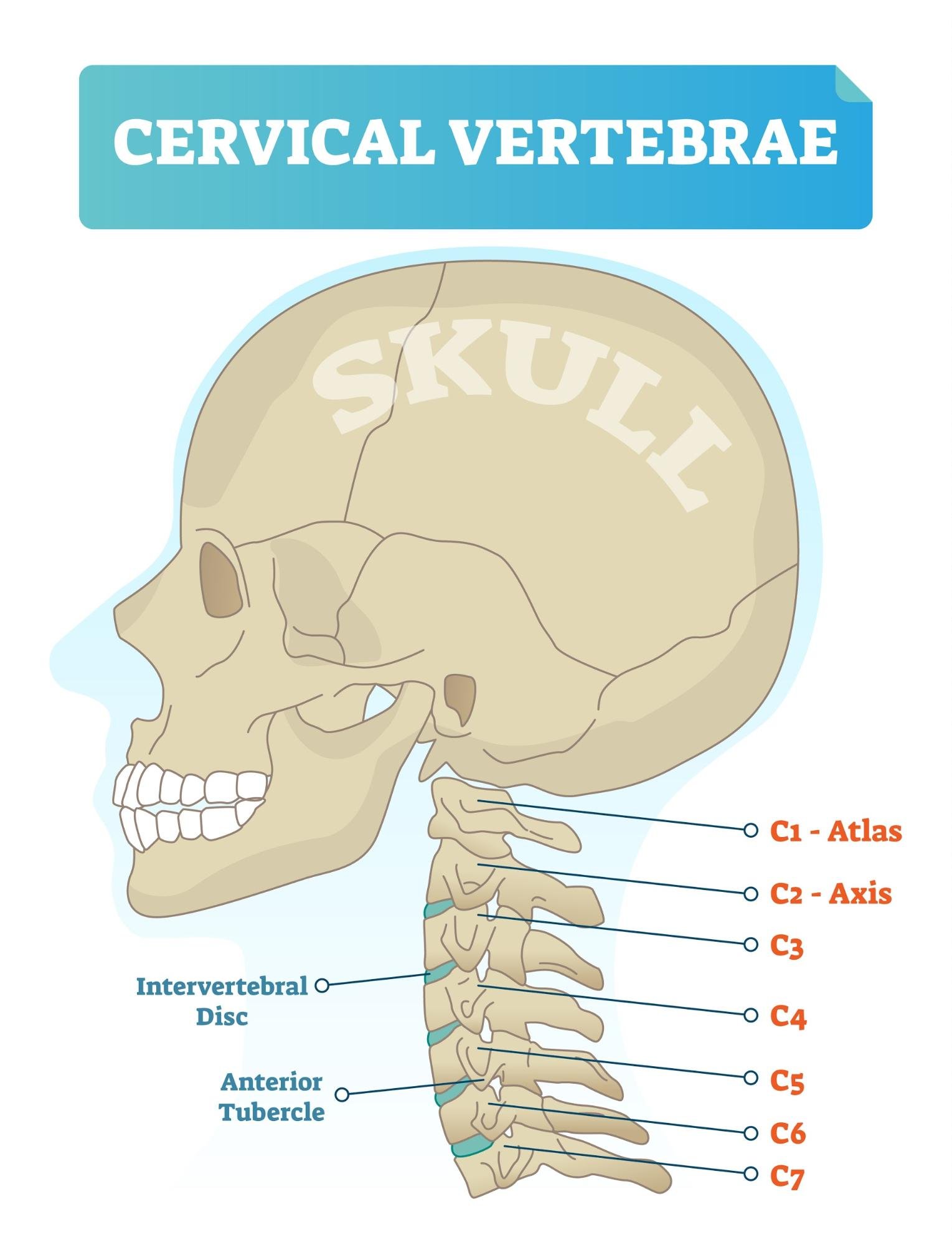 Herniated or “slipped” discs occur when the gel-filled discs between the bones of your neck bulge or slip out of place. In severe cases, the disc may rupture.
Pain in the neck and shoulder from a herniated disc may be constant or stabbing. The pain may travel down into your arm and hands, or you may experience tingling and numbness. Some victims suffer from chronic pain after a fall injury.
Treatment for herniated discs might include:
- Medications to manage pain, inflammation, and muscle spasms
- Physical therapy treatments with massage and stretching exercises
- Surgical repair or removal of the disc
Claim Values for Herniated Discs
The cost for disc replacement surgery can range from $21,000 to more than $43,000 depending on the area of the country where you are treated. Assuming $4,800 for 4-6 weeks of lost wages, that’s economic damages totaling $25,800 to $47,800. Add three times that amount to account for pain and suffering, for a total claim value ranging from $103,200 to $191,200.
In 2019, a Florida jury awarded $1.9 million to slip and fall victim Stephanie Jenkins. Ms. Jenkins suffered two herniated discs in her neck, as well as shoulder and wrist injuries after she slipped on a wet floor at a convenience store.
3. Cervical Fracture or Dislocation
Cervical fracture or dislocation means the bones of your neck are either broken or knocked out of place by the impact of your fall.
Symptoms of a broken or dislocated neck are:
- Extreme pain
- Swelling in the neck area
- Numbness in your arms and legs
A broken or dislocated neck is a medical emergency. Call 911. Do not move the affected person. Permanent paralysis and other serious complications can result. Use rolled-up towels or carefully hold their head and neck to prevent neck movement until paramedics arrive.
In conjunction with a spinal cord injury, a broken neck can result in complete or partial paralysis. Timely medical intervention is necessary to ensure the best outcome for an injury victim.
Treatment for cervical fractures includes:
- Cervical brace or collar to stabilize the neck
- Traction, like a HALO vest (holds the neck in place better than a brace)
- Surgical repair or fusion of the vertebrae
Recovery time from a broken or dislocated neck depends on if you have any permanent injuries.
Compensation for Neck Fractures
If you’re lucky enough to avoid a spinal cord injury after suffering a broken or dislocated neck, you can expect non-surgical treatment to cost as much as $15,000. Add $10,000 for at least 12 weeks of lost wages, for economic damages of $25,000.
Adding three times that amount ($75,000) to account for your non-economic damages comes to a total compensation demand of $100,000 to start settlement negotiations.
4. Spinal Cord Injury
Spinal cord injuries happen when the abrupt fracture or dislocation of vertebrae tears or severs the spinal cord. Spinal cord injuries at the cervical (neck) level of the spine are the most severe of all spinal cord injuries, often resulting in total paralysis or death.
Symptoms of a cervical spinal cord injury may include:
- Inability to breathe without assistance
- Impaired ability to speak
- Numbness, tingling, or loss of feeling below the neck
- Paralysis in the legs, body, and arms
- Loss of bladder and bowel control
Emergency treatment for acute spinal cord injuries may require:
- Surgery to stabilize the spine
- A mechanical ventilator for breathing
- A feeding tube placed in the stomach
- A bladder catheter
- Medications to reduce spinal cord swelling
Long-term treatment for spinal cord injuries includes:
- Residential rehabilitation or nursing home care
- Physical therapy
- Occupational therapy
- Mental health support
Compensation for Cervical Spinal Cord Injuries
Estimated lifetime costs for a high tetraplegia (C1 to C4) spinal cord injury range from $2.5 million to over $5 million, depending on the age of the injury victim. The loss of earning capacity, pain and suffering, and other non-economic damages for such a catastrophic injury can only be calculated by an experienced personal injury attorney.
Proving Your Slip and Fall Neck Injury Claim

Proving your claim starts with your medical bills and records showing the exact nature of your injury and linking it to your slip and fall.
Medical records and bills are the basis for establishing the value of your neck injury claim.
Medical opinions showing your prognosis will also be important, particularly in cases of paralysis or where a serious neck injury will restrict your ability to work or perform other important activities in the future.
The records you will need include:
- Test results
- Hospital discharge summaries
- Pain diaries
- Therapy records or daily exercise logs
Find evidence showing the dangerous condition that caused your slip and fall. This can be photographs, videos, or witness statements.
Also collect evidence from witnesses who knew you both before and after the accident. These witnesses can talk about how your life was affected, and they can also support your own pain and suffering testimony.

If you have a prior neck injury or condition, it may make proving your case more difficult. However, the mere fact that you are more vulnerable to neck injury because of a prior condition does not stop you from recovering from your injury. This is known as the Eggshell Skull Rule.
The neck is a small but critical junction in your body. Even slight damage to it can have an enormous effect on your life and the lives of your family members. It’s critical that you protect yourself and hold others accountable when their actions or inattention result in a serious injury.
If you or a loved one has been injured as a result of a slip and fall, it’s important to take action as soon as possible. Contact a personal injury lawyer for a free consultation and legal advice.