
Have you Ever Wondered Why Some Cops Take Photos at Car Wrecks and Some Don’t? You’ve just had a fender-bender – or maybe it’s more than that – and now you’re left wondering: do the cops take pictures? In some cases, officers whip out their cameras without hesitation. Other times, they don’t bother at all. So, what’s the deal? Let’s dig into when and why officers might decide to capture the scene – or skip it entirely.
In many cases, police will take photos of a car accident scene to record evidence like vehicle positions, damage, and road conditions. These images support their report and can be useful for insurance and legal purposes.
When Police Officers Might Click that Shutter Button
- Life-Threatening Situations: Police typically snap photos if there’s serious injury, a fatality, or damage that can’t be ignored. Evidence matters most when things get bad.
- Conflicting Stories? Grab the Camera: If witnesses and drivers can’t get their stories straight, cops may photograph the cars, the road, and the entire scene to lock down objective proof. Photos don’t lie – they tell stories facts alone can’t capture.
- Legal Heat: If someone’s been hitting the bottle or there’s suspicion of illegal activity, police usually want photos. A DUI charge, for instance, means every detail must be documented.
Why Officers Sometimes Skip the Kodak Moment
- Minor Accidents: Sometimes, a little bump or scrape isn’t enough to inspire a photo shoot. If it’s a simple accident with no injuries and minor damages, they might let it slide.
- Busy Day at the Office: When there’s too much going on or not enough officers to cover everything, small crashes may not get the photo treatment.
- Different Strokes for Different Folks: Every department’s got its quirks. Policies vary by region, town, and even the officer on duty. Some departments prioritize taking pictures; others don’t. It’s a roll of the dice.
How Those Photos Can Change Your Case’s Course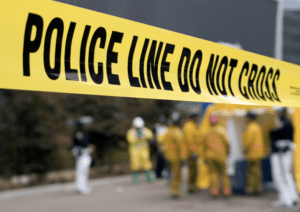
- Proof in Pixels: Photos tell the real story and can be pivotal in unraveling the cause of the crash. For lawyers, photos become key evidence, adding context that words in a report often can’t.
- Reconstructing the Puzzle: Visuals let everyone see how things played out, positioning cars and people. They’re powerful in court cases, providing concrete proof rather than blurry recollections.
- Insurance and Settlements: You can bet your insurance company wants to see these pics. The clearer the photos, the easier it is to determine who pays – and how much.
When the Police Don’t Have Time to Play Photographer
- Snap It Yourself: If the police don’t take photos, get snapping! You’ve got a phone with a camera in your pocket – use it. Take shots of:
- All angles of the vehicles involved
- Skid marks, broken glass, or any road debris
- Visible injuries (yes, even a bruise tells a story)
- Traffic signs or signals nearby
- Time Matters: The sooner you take those photos, the better. Images with timestamps can be powerful in court or settlement negotiations.
- Calling in a Pro: If things are complicated, consider hiring an accident reconstruction specialist. Their photos add credibility when the stakes get high.
How to Get Your Hands on Police Photos
- Request from the Source: Need those police photos? You may have to request them from the department. It’s a process – sometimes a slow one – but those photos are public record.
- Legal Legwork: A lawyer can help if you’re struggling to get access to accident photos, though expect to pay a fee or wait for permission.
- Privacy? Not Really: You might think police photos are protected, but in most places, they’re considered part of the public record.
In Summary
Yes, police often take pictures at car accident scenes to document evidence and vehicle damage, especially in serious cases. These photos can be crucial for investigations and insurance claims.
Get a Free Case Evaluation Below
Accidents are rough. If you’re dealing with one and wondering if you’ve got a case, we’re here to help. Fill out the quick form below for a free evaluation, and an experienced attorney will check out your situation and offer guidance.