
It’s a jarring experience – one moment, you’re involved in a car accident, and the next, you’re watching your vehicle get hitched up and hauled away. But why does this even happen? Sometimes, your car’s right in the middle of the road, blocking traffic, or maybe it’s too banged up to move on its own. Other times, authorities want it stashed for evidence, especially if there’s a suspicion of misconduct or an unresolved investigation.
- Safety Concerns: If your vehicle’s holding up a whole lane or perched dangerously, towing’s often the fastest way to clear the scene. No one wants a second accident in the same spot.
- Condition of the Vehicle: If your car’s been battered beyond recognition, leaving shards of metal and pieces of glass, towing ensures nobody drives it off and risks more trouble.
- Driver’s State: After a big impact, you might not be in the best condition to handle your car safely. If you’re injured, impaired, or in shock, the police will call a tow without a second thought.
Each situation has its twists, but understanding why can keep you from getting blindsided by the towing process.
What To Do When Your Car’s Been Towed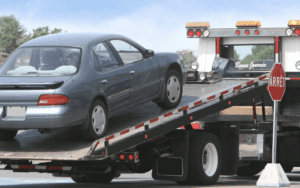
You’re left standing there, probably a bit rattled, wondering, “What now?” Here’s a quick rundown:
- Ring Up the Police Department: This isn’t the time to play detective. Call the local station, ask where your car’s been taken, and jot down anything they tell you. If you’re lucky, they’ll even tell you how much it’s going to cost.
- Contact the Towing Yard: You don’t want surprises here. Give them a shout to ask about hours, what papers they’ll want to see, and what kind of dent this retrieval’s going to put in your wallet.
- Inform Your Insurance Company: Let your insurer know your car’s not just in an accident but in a lot somewhere, racking up fees. They might help you out with towing costs, depending on your coverage.
What You’ll Probably Have to Pay For
Money talk is unavoidable here. Towing isn’t cheap, and neither is the daily fee some yards charge to let your car take up space.
- Towing Fees: Charges vary wildly depending on location and the circumstances around the tow. City, county, and towing companies all have their price tags.
- Daily Storage Costs: Every day your car sits in that lot, the meter’s running. That means the longer you wait to pick it up, the higher the cost. It’s like an unwanted hotel bill – but for your car.
Will Your Insurance Have Your Back?
This is the question on everyone’s mind: will your insurance pick up the tab? Here’s the thing – some policies will cover towing and storage fees, while others might leave you hanging. It largely hinges on whether you’ve got comprehensive coverage or if you’re just holding onto a basic plan. Best to double-check with your insurer to see where you stand.
What If You’re Ready to Dispute?
Maybe you think the tow was unnecessary or that the fees are downright unreasonable. Here’s where you’ve got some options:
- File a Complaint: If you feel the tow was wrongful, your city might have a way for you to lodge a complaint. Be prepared to show proof and make a case.
- Request a Hearing: Some places let you plead your case in a towing hearing – it’s your chance to challenge the charges or the legality of the tow.
- Talk to a Lawyer: For serious disputes or if you’re slapped with exorbitant fees, reaching out to an attorney might be your best move.
Cutting Down the Extra Fees
Getting your car back without breaking the bank is possible if you play your cards right.
- Act Fast: Time isn’t on your side here. The longer your car’s in storage, the more you’re paying. Make moves to get it out sooner rather than later.
- Stay Organized: Keep your ID, proof of insurance, and any accident paperwork ready. The less hassle on the retrieval end, the faster (and potentially cheaper) the process.
Free Evaluation Below
If you’re tangled up in towing fees or hit with legal issues after an accident-related tow, we’re here to lend a hand. Fill out the form below to get a free evaluation – we’ll help you explore your options and put you back on track.