
Is it legal or not to shuffle your vehicle around after an accident? That nagging question has echoed through the minds of countless drivers—caught in the mess and madness of a collision. How many times have we asked ourselves: should I leave my car stranded in the middle of the road, or tuck it off to the side? Let’s dive into the delicate art of navigating the “move or not move” dilemma, and why it matters more than you might think.
It’s generally recommended to move your car after a minor accident if it’s safe to do so, as this can help prevent further incidents and traffic delays. For severe accidents involving injuries or major damage, leaving your vehicle in place is typically advised to preserve the accident scene for investigation.
Why Moving Your Car After a Minor Collision Might Be Best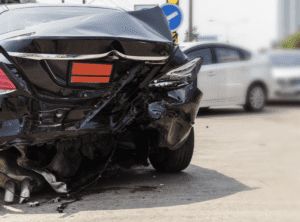
In those minor scrapes, the kind that feel more like a slap than a punch, it’s often smart—sometimes even mandated—to get your vehicle out of harm’s way. Here’s why:
- Safety’s Sake: Sticking around in traffic with your car immobilized? That’s a recipe for secondary wrecks, especially on crowded highways. Pulling over, if you can, could just save another accident.
- Keeping Things Flowing: In congested areas, even a small bump can turn the morning commute into a complete standstill. Clearing the path? It’s just plain courteous.
- Legal Nudge: In certain places, not moving your car can snag you a ticket for “blocking” the road. A double penalty, in a way—paying for an accident that wasn’t even your fault.
- No Damage, No Drama: If there’s barely a dent, why keep your car in harm’s way? Clear the lane, and let the other drivers breathe a little easier.
When NOT Moving Your Car Might Be the Right Call
Sometimes, just leaving things be is the wisest move. In major crashes, where bruises and breaks aren’t just on metal but on bodies, staying put preserves the scene—and maybe the truth.
- Injury and Chaos: If people are hurt, the vehicle positions may reveal the chain of events. Shuffling cars around could muddle things and make it tougher for authorities to decipher what happened.
- Heavy Damage, Heavy Consequences: Major impacts often mean serious trouble, and tampering with the scene could be seen as tampering with evidence, especially if insurance comes into play. Avoid the headaches; leave things just as they are.
- Suspicion of Something Fishy: Accidents that reek of something wrong—like if you suspect the other driver’s had one too many—are best left untouched. Let the police do their digging; your job is to wait.
Unsure of What to Do? Here’s a Lifeline
Lost in the chaos of a crash, it’s easy to feel paralyzed. But if you’re questioning what to do, consider:
- Assessing the Scene: Take a good look. Are people hurt? Is there heavy damage, or just a few scratches? Weighing the scene’s severity can often answer your question.
- Calling the Cavalry: Many insurance companies offer 24/7 hotlines. A quick call could get you guidance on whether to move your car—or keep it anchored where it stands.
- Waiting it Out: If all else fails, sitting tight until law enforcement arrives is usually a safe bet. They’ll make the call, sparing you the guesswork.
Consequences of Moving (Or Not Moving) Your Car
Making the wrong call can have ripple effects, each more complicated than the last. Here’s what you risk:
- Potential Tickets: In places where law says “move it,” leaving your car in traffic could mean a ticket. On the flip side, moving it when you shouldn’t might spell trouble for tampering.
- Insurance Questions: Insurers like things clear-cut. Moving your car can blur the lines, creating questions about who hit whom, when, and where.
- Safety Hazards: Leaving your car stranded mid-road isn’t just dangerous for you; it’s a threat to every driver coming up behind you.
State Rules: A Patchwork of Policies
Every state dances to its own tune on moving cars post-collision. Some want you to clear the lane, others demand you stay put. Knowing what your state says can keep you out of hot water:
- California: No fuss—get that car out of the way if you can.
- New York: Moving’s fine, so long as everyone’s unscathed.
- Florida: Minor bump? Get your vehicle off the road, pronto.
Conclusion
Yes, in some cases, moving your car after an accident is legal and even encouraged, especially for minor accidents to prevent blocking traffic. However, if there are injuries or significant damage, it’s often best to leave the vehicle where it is until authorities arrive to avoid legal complications.
Get a Free Evaluation
In the heat and haze of an accident’s aftermath, it’s easy to feel lost. What are your rights? What steps should you take? Our legal team has been there and seen it all, ready to guide you through these murky waters. For a free evaluation, simply fill out the form below, and one of our seasoned experts will reach out to discuss your unique situation.