
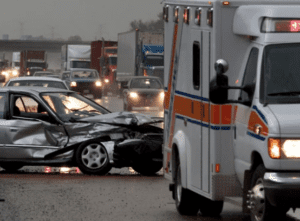
Accidents are disorienting enough, but when a speeding ambulance is in the mix, the situation gets downright surreal. Imagine the chaos—the wail of sirens, the blur of lights, the frantic pulse of adrenaline. A car accident involving an emergency vehicle feels like stepping into another dimension, one where the usual rules no longer apply. If you’ve been in a crash with an ambulance, you’re probably left with more questions than answers. Who’s really at fault here? What recourse do you have? And how are you supposed to untangle the red tape?
Unwritten Rules of Emergency Vehicles on the Road
Ambulances live in a kind of in-between space on the road. Technically, they get a free pass on some traffic laws, so long as they’re doing what they’re designed to do: saving lives. When flashing lights and shrieking sirens blaze through an intersection, they’re allowed to bend—though not break—some rules, like:
- Skipping traffic signals with caution
- Going faster than what’s posted
- Weaving through lanes with an urgency regular drivers can’t match Of course, this doesn’t mean they have a blank check to drive recklessly. Even emergency responders must play within certain bounds to keep everyone else out of harm’s way.
Common (Yet Uncommon) Causes of Ambulance Accidents
An ambulance whizzing by is a sight most folks pull over for, but sometimes, things go sideways. Accidents happen for odd reasons, like:
- Split-second distractions: Emergency personnel have a ton of things going on—radio chatter, patient care, route changes—and this multitasking can sometimes lead to mistakes.
- Blinding speed: These vehicles are designed to reach the scene fast, but high-speed navigation makes sharp turns and sudden stops risky, especially in heavy traffic.
- Yielding confusion: Most people want to get out of the way, but panic or poor visibility can lead to split-second misjudgments.
- Dicey road conditions or weather: Potholes, rain, and snow don’t discriminate. Even emergency vehicles slip and slide, making navigation in harsh conditions precarious.
Pinning Down Fault When the Scene’s a Blur
When you’re in an accident with an ambulance, figuring out who’s at fault is no simple task. It depends on factors like:
-
- Whether the ambulance was in “emergency mode”: With sirens blaring and lights flashing, they have some leeway. But even in those cases, they’re supposed to show caution.
- Potential negligence: If the driver ignored basic safety protocols, they could be partially or fully responsible.
- Your own reaction: If you failed to yield or missed the flashing lights, it could affect liability, although lights and sirens usually make such instances rare.
The Physical Toll and Lingering Damages
Crashes with ambulances often leave more than just a dent in your car. Injuries are sometimes as brutal as they are unexpected, including:
-
- Brain trauma and head injuries
- Bone fractures
- Spine and neck issues
- Lingering emotional shock and distress And the damage to your car? Likely hefty, given the size and weight of most emergency vehicles.
Legal Matters and Compensation
When you’ve been in a clash with an ambulance, you may be entitled to compensation. Situations like these call for a close look at:
-
- Medical bills: Covering everything from immediate treatment to long-term therapy.
- Lost income: If injuries keep you off work, that lost paycheck may be recoverable.
- Pain and anguish: Emotional turmoil and physical suffering both count.
- Car repairs: Any hefty damages to your ride. Don’t let the term “compensation” fool you—it’s about making you whole again, as much as anyone can after an accident.
What To Do After An Ambulance Accident
When reality hits hard, you need a plan. In the immediate aftermath:
-
- Get the police involved: Official documentation is key.
- Document everything: Snap pics if possible—damage, road conditions, anything that might later tell your side of the story.
- Seek medical help: Even if you think you’re fine, injuries sometimes hide until later.
- Talk to a lawyer: These cases can be tricky, especially when public entities are involved.
Suing Public Agencies
Ambulances are often managed by government services or contracted private companies, making the legal process stickier than usual. Special rules may apply, including tight deadlines for filing claims.
Being in a collision with an ambulance isn’t just another fender-bender. Between the sirens and state laws, these cases carry layers of complexity. Consulting with a seasoned attorney can help you see through the legal fog, avoid the bureaucratic landmines, and maybe, just maybe, get some justice.
Get a Free Evaluation Below
Life after an ambulance accident can feel like a maze, but you don’t have to navigate it solo. Take a step toward clarity and complete the form below for a free case review.