
Here’s a thought: what if, as you sit comfortably at home, someone borrows your beloved car and, just a few miles away, causes a scene that’s bound to leave rubber and skid marks on your insurance policy? It’s an unsettling possibility for any car owner—and one that’s actually more common than you might think. When you hand over your keys, you might be handing over a bit more than your trust.
When Does a Car Owner Bear Responsibility for Someone Else’s Accident?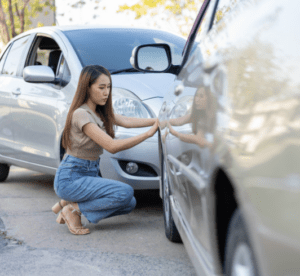
Let’s get right into it. A car owner can sometimes face legal responsibility even if they were nowhere near the crash site. Legal terms like “vicarious liability” often come into play here, making it possible for one person to pay for another’s missteps. Think of it as an invisible thread connecting your accountability to the actions of whoever’s in your driver’s seat. Here are some of the main ways this scenario could play out:
- Negligent Entrustment
- Say you let your teenage cousin, the one with a flair for fast cars and late nights, borrow your vehicle. If you knew—or should have known—they weren’t the safest driver in town, and they rear-end someone, you could be on the line. That’s what the law calls “negligent entrustment”—basically, giving your car to someone you probably shouldn’t have trusted with it.
- Permissive Use Rules
- Letting a friend borrow your car sounds harmless, right? Well, many states think otherwise. Known as “permissive use,” this concept could hold you responsible if you knowingly allowed someone to use your car. They’re zipping around on your blessing, and that permission means you might share their legal baggage if they dent a bumper or worse. It doesn’t matter if they’re just popping to the store for milk.
- Family Purpose Doctrine
- In some states, family cars aren’t just considered machines; they’re treated almost like shared assets. If your car is part of the family’s daily routine, it can turn into a “family-purpose” liability. Imagine your spouse or child hopping in to run an errand and accidentally crunching someone’s fender. Suddenly, that errand is your problem too.
- Employer Responsibility for Employees
- Now, this one’s a classic tale for business owners. If an employee takes the company car and gets into an accident while on the clock, guess what? That responsibility might trickle up to you. It’s an age-old idea—“respondeat superior,” or “let the boss answer”—and it means employers can get roped into paying for their worker’s mistakes.
- Statutory Owner Liability
- Some states skip the pleasantries and place direct responsibility on the vehicle’s registered owner. These “owner’s liability” statutes apply to accidents caused by anyone with the owner’s permission to drive. Here, no matter if you gave the keys willingly or begrudgingly, if your car’s involved, your name might end up on the insurance claim.
How Does Insurance Step Into the Equation?
If an accident occurs with your car at the center, you might have to call on your insurance. Whether it’s liability coverage or another type, it’s worth knowing what your policy might protect in situations where you weren’t the one driving. Here are some coverage types that could be a lifeline:
- Liability Insurance
- Think of liability coverage as your armor for unforeseen car accidents. If another driver, with your consent, takes your car and something goes wrong, this coverage might pick up the tab for injuries or property damage.
- Permissive Use Clauses
- Many policies offer some wiggle room if you let someone else drive. In those cases, “permissive use” can be a saving grace, covering damages up to a certain cap, as long as you gave the thumbs-up for the drive.
- Policy Exclusions
- Some policies don’t exactly play nice with everyone. They may exclude certain drivers—unlicensed individuals, household members not officially listed on the policy, or high-risk drivers. Check your exclusions carefully, or you might find yourself out of luck when coverage counts the most.
- Insurance Premiums and Claims
- Filing a claim under your policy for someone else’s mishap could lead to, shall we say, a “spirited” increase in your premiums. Insurance companies have a long memory, and the costs can stick with you like an unwelcome guest, even if you weren’t behind the wheel.
How to Guard Yourself as a Car Owner
While you can’t foresee every twist and turn, you can certainly take steps to limit your risk when handing over your car keys. Here are some tried-and-true tips to keep your name out of trouble:
- Check the Driver’s Record
- Before you play car-lender, ask yourself: is this person responsible? If they’ve got a history of speeding tickets or worse, consider keeping your keys in your own pocket.
- Set Clear Boundaries
- Spell out the rules. Tell your friend or family member where they can and can’t take your car. Limiting the scope of their drive might sound strict, but it could help in the long run if they get a little too adventurous.
- Review Your Insurance Policy
- Make sure you know the ins and outs of your policy. If you’re lending your car regularly, it’s worth checking the permissive use clauses, exclusions, and any limitations on who can drive.
- Add Frequent Drivers to Your Policy
- If someone drives your car often, adding them to your policy could be a smart move. It’s a simple step that could prevent a lot of grief if an accident occurs.
- Avoid High-Risk Drivers
- Be cautious about lending your car to anyone who’s inexperienced, high-risk, or reckless. If it’s your name on the car title, it’s your liability in the accident report.
Get Your Free Evaluation Now
If you’re dealing with the tangled mess of liability after someone else’s accident in your car, or if you want peace of mind knowing where you stand, don’t let another moment pass. We’re here to help you cut through the red tape, to understand the nuances of car ownership and accident responsibility. Fill out the form below for a personalized evaluation, free of charge.