
Securing traffic camera footage can be a lifeline after a car accident. This footage holds raw, unfiltered truth, often the silent witness that reveals what words can’t. But how do you pull that elusive evidence from the grips of bureaucracy? Let’s break it down in a way that’s human and helpful—because let’s face it, if you’re after traffic camera video, you’re probably feeling the crush of time ticking away.
Start with the Hunt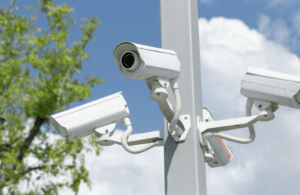
- Locate the Eyes That Saw It All
First thing: where exactly did the accident happen? Was it by an intersection with red-light cameras? Or perhaps in view of a speed camera? These details matter. Each camera type—whether run by the city, a private company, or the state’s Department of Transportation—leaves clues. Figure out whose ‘eye’ may have caught the incident and chase after it. Local shops, gas stations, or parking garages nearby might even have recorded their own angle. - Snoop Around Nearby Establishments
It’s worth a polite inquiry to any businesses around the accident site; their cameras may have picked up something valuable. Picture this: a gas station security camera, innocently pointed toward the road, might capture your entire story in one crisp frame. Don’t hesitate to ask; many are willing to help, especially if you bring a compelling reason.
Know the Clock’s Against You
- Act Fast, Act Decisive
In the world of data retention, time is ruthless. Most traffic footage is kept for just a few days or maybe a few weeks if you’re lucky. The countdown starts the moment the crash happened, so if you wait, that evidence could be gone for good. So if you’re reading this now, get moving! - Privacy? Oh, That Sticky Business
Different states have their own privacy laws, and agencies often require proof you were involved in the accident before they hand over anything. They’re not guarding the gates to make your life hard; they’re protecting privacy. So be prepared to share details of your involvement. It’s a dance, but one worth learning.
Knocking on the Right Doors
- City or County Offices First
Begin with local government. Often, intersection or red-light camera footage is managed by the city’s public works department. A phone call, a form, or even an email might be your ticket in. They might be bogged down in requests, so be clear and persistent. - Reach Out to the State DOT for Highways
If your incident unfolded on a state highway, your best bet could be your state’s Department of Transportation. They’ve often got a tighter grip on highway camera footage. Again, persistence, people! This process isn’t designed for the faint-hearted. - Police Departments or Private Companies
A few traffic cams fall under the control of local law enforcement, and sometimes the city hires outside companies to manage them. And guess what? This means you may be chasing more than one entity for answers. Stay patient, stay focused.
Making Your Request Stick
- Write It, Don’t Just Say It
If they ask for a formal request, take your time to draft it well. Spell out details like the date, time, and exact place of your crash. And if they need it, you might need to add a Freedom of Information Act (FOIA) request if it’s a public agency. Some states are chill about this, others aren’t. But keep pushing—you’re fighting for the truth. - Consider the Power of Legal Help
Sometimes, just knowing how to twist the right arms helps. An attorney experienced in traffic law can make the entire process smoother, even if just by applying gentle pressure. If things stall, your lawyer can file a subpoena, demanding the release of the footage, and this can turn the tide in your favor.
If You’re Turned Down, Don’t Back Down
What if you hit a wall? It happens—some requests are denied without much explanation. Don’t let that stop you.
- Ask Questions, Demand Reasons
Agencies sometimes offer a crumb of an explanation for why they’re not sharing the footage. Find out why, then adapt. - Eyewitnesses, Dash Cams, and Nearby Security Cameras
Can’t get traffic footage? Scour for other options. Maybe there’s a kind soul who caught it on their dash cam. Or an unsuspecting bystander with their phone out at just the right moment. Any nearby cameras, dash or phone footage, can be another layer to your case.
Don’t Wait—Get Help Now
If you’re feeling daunted by the maze of red tape, reach out for help. You don’t have to be a lone warrior in this quest. Fill out the form below, and we’ll connect you with someone who can offer guidance—someone who knows the steps and the loopholes to help bring that footage to light.