

Women who suffer a slip and fall accident while pregnant are entitled to seek compensation from the at-fault party. Here’s what you should know.
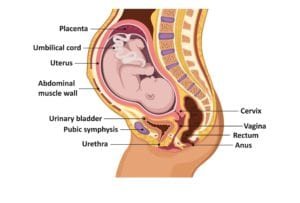
Car accidents and falls are the most common cause of blunt trauma in pregnancy, especially late in pregnancy.
The physiological changes during pregnancy, like an altered center of gravity, can leave a woman uniquely vulnerable to slip and fall accidents. Where there are slippery surfaces, missing handrails, or merchandise carelessly left in the middle of the floor, the risk is even greater.
Any fall during pregnancy must be taken very seriously. Follow up with your obstetrician to make sure everything is okay. Falls in the second or third trimesters can be extremely dangerous, particularly if you received part or all of the impact in your abdomen.
Businesses and other property owners must provide visitors with a safe environment, free of unnecessary risks. When you or your baby are harmed because of negligence, you are entitled to seek compensation for your damages.
1. Maternal Injuries
Slip and fall injuries can affect your own body in a number of ways, not the least of which include injuries to your back, hips, head, and neck.
Pregnant women have a tendency to use their hands and arms to protect the baby during a fall, often causing them to twist and land awkwardly, resulting in torn ligaments or broken bones.
Mom and baby should be checked out after a fall at any stage of pregnancy, even if the mother thinks she’s okay.
When your fall was caused by a slippery floor or other unsafe conditions at a store or other public place, don’t wait to see how you feel. Refusing or delaying medical attention may put the baby at risk and gives the insurance company an excuse to deny your claim if problems develop later.
Ask someone to call 911 if you experience:
- Vaginal bleeding
- Leaking amniotic fluid
- Contractions
- Abdominal pain
- Decreased fetal movement
Your developing baby can also suffer short-term and long-term effects from the impact of a slip and fall accident. Miscarriage or stillbirth can result, particularly from injuries in the second and third trimesters.
2. Placental Abruption
The placenta is a temporary organ that connects the baby to the uterus with the umbilical cord during pregnancy.
In the first trimester, the growing uterus is still protected by the mother’s pelvic bones. A fall in the later stages of pregnancy can cause the placenta to abruptly begin detaching from the wall of the uterus. Placental abruption is a medical emergency that may be life-threatening to the mother and baby.
Symptoms of placental abruption may include:
- Sudden abdominal and back pain
- Uterine tenderness or rigidity
- Uterine contractions, often coming one right after another
- Vaginal bleeding, although there might not be any if there is internal bleeding
Per the Mayo Clinic, it isn’t possible to reattach a placenta that’s separated from the wall of the uterus.
Treatment options for placental abruption depend on the circumstances:
- The baby isn’t close to full term. If the abruption seems mild, your baby’s heart rate is normal and it’s too early for the baby to be born, you might be hospitalized for close fetal monitoring. If the bleeding stops and your baby’s condition is stable, your health care provider might let you rest at home. You might be given medication to help your baby’s lungs mature and to protect the baby’s brain, in case early delivery becomes necessary.
- The baby is close to full term. Generally, after 34 weeks of pregnancy, if the placental abruption seems minimal, a closely monitored vaginal delivery might be possible. If the abruption worsens or jeopardizes your or your baby’s health, you’ll need an immediate delivery — usually by C-section.
3. Preterm Labor and Premature Birth
If you fall later in pregnancy, the impact of the fall might put you into labor or cause early delivery. The earlier premature birth happens, the greater the health risks for your baby.
Seek immediate medical care if you:
- Are bleeding
- Leaking amniotic fluid
- Have pain or feel pressure in your abdomen or pelvic area
- Experience uterine contractions.
- Think the baby isn’t moving as much
If your baby is born before your 37th week of pregnancy, the baby will need a longer hospital stay in a special nursery unit at the hospital. Premature babies are at risk for serious complications, including breathing and heart problems. Very early babies may be admitted to a neonatal intensive care unit (NICU).
Proving Your Slip and Fall Injury Claim

The first part of any personal injury claim is offering proof of your injuries. Doctor’s reports and other medical records are necessary.
It’s important to have a frank discussion with your doctor, as well as your child’s doctor, about any medical conditions your child may suffer as a result of your slip and fall accident.
You and your attorney will also gather evidence regarding the circumstances and location of your slip and fall, including witness testimony, surveillance or security camera footage, incident reports, and more.
Pregnancy Slip and Fall Compensation
You are entitled to compensation for all your medical costs arising from the slip and fall accident, including the cost of medical tests and hospital admissions ordered by your doctor to make sure you and your baby are okay.
Compensatory damages will include the cost of diagnosis and treatment of any injuries sustained by the mother or baby, the woman’s lost wages, and consideration for the mother’s non-economic damages, such as pain, suffering, fear and anxiety.
High-dollar premises liability cases should be handled by an experienced personal injury attorney. Contact a local injury law firm for a free consultation and case evaluation.